Why You Should Never Ignore Roof Issues
Roofs are the unsung heroes of our homes. They shield us from rain, snow, wind, and the blazing sun day after day, year after year. But when problems start to develop—whether it's a small leak, missing shingles, or poor flashing—many homeowners make the costly mistake of putting off repairs. "It's just a little stain," or "I'll deal with it next season," are thoughts that can sometimes lead to thousands of dollars in damage.
The photos in this post tell a sobering story of what happens when roof issues are ignored.
The Hidden Danger Beneath Your Shingles
What you're looking at in these images is the result of prolonged water intrusion. The dark, blackened, and soft areas on the wood are classic signs of rot. Water found its way under the shingles—likely through damaged flashing, worn-out seals around a chimney or skylight, or simply age-related wear—and sat there, slowly destroying the roof decking and sheathing.
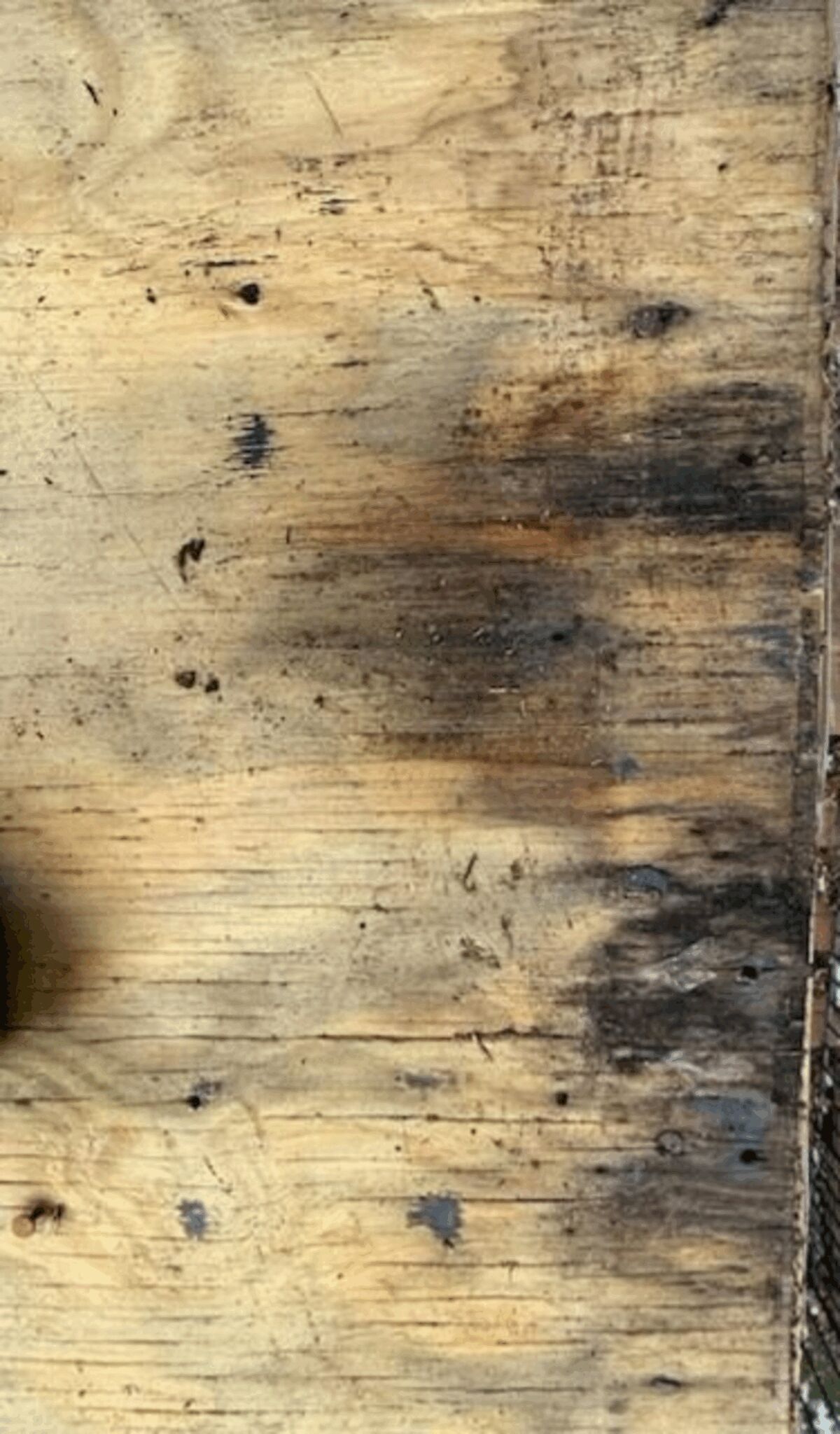
This close-up shows how moisture can discolor and weaken even thick lumber over time. What starts as a minor leak can turn structural wood into something that crumbles in your hands.
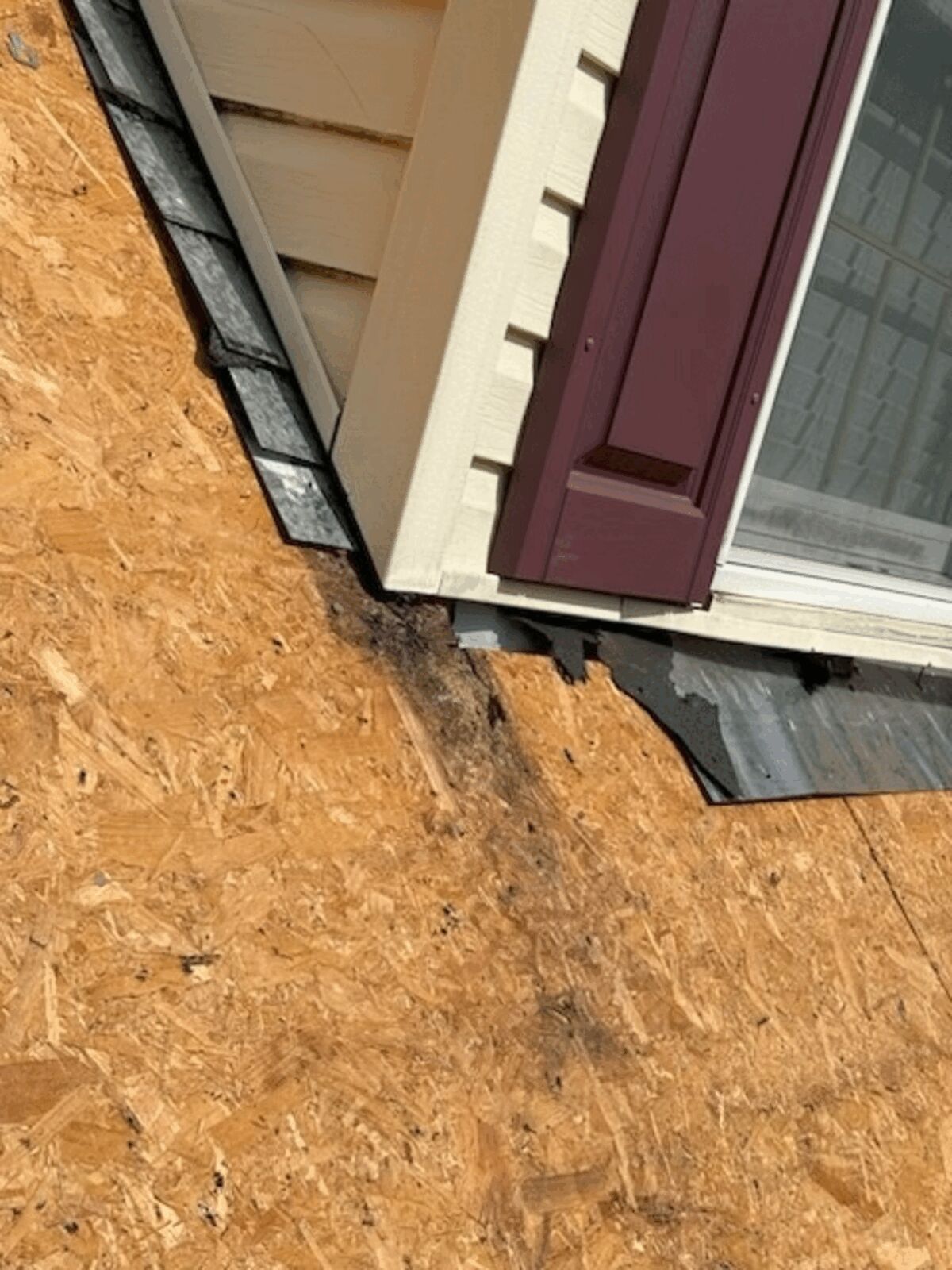
Here we see water damage creeping along the edge where the roof meets the siding. The oriented strand board (OSB) is stained dark and beginning to delaminate. This is exactly where roof-to-wall transitions often fail if flashing isn't properly installed or maintained.
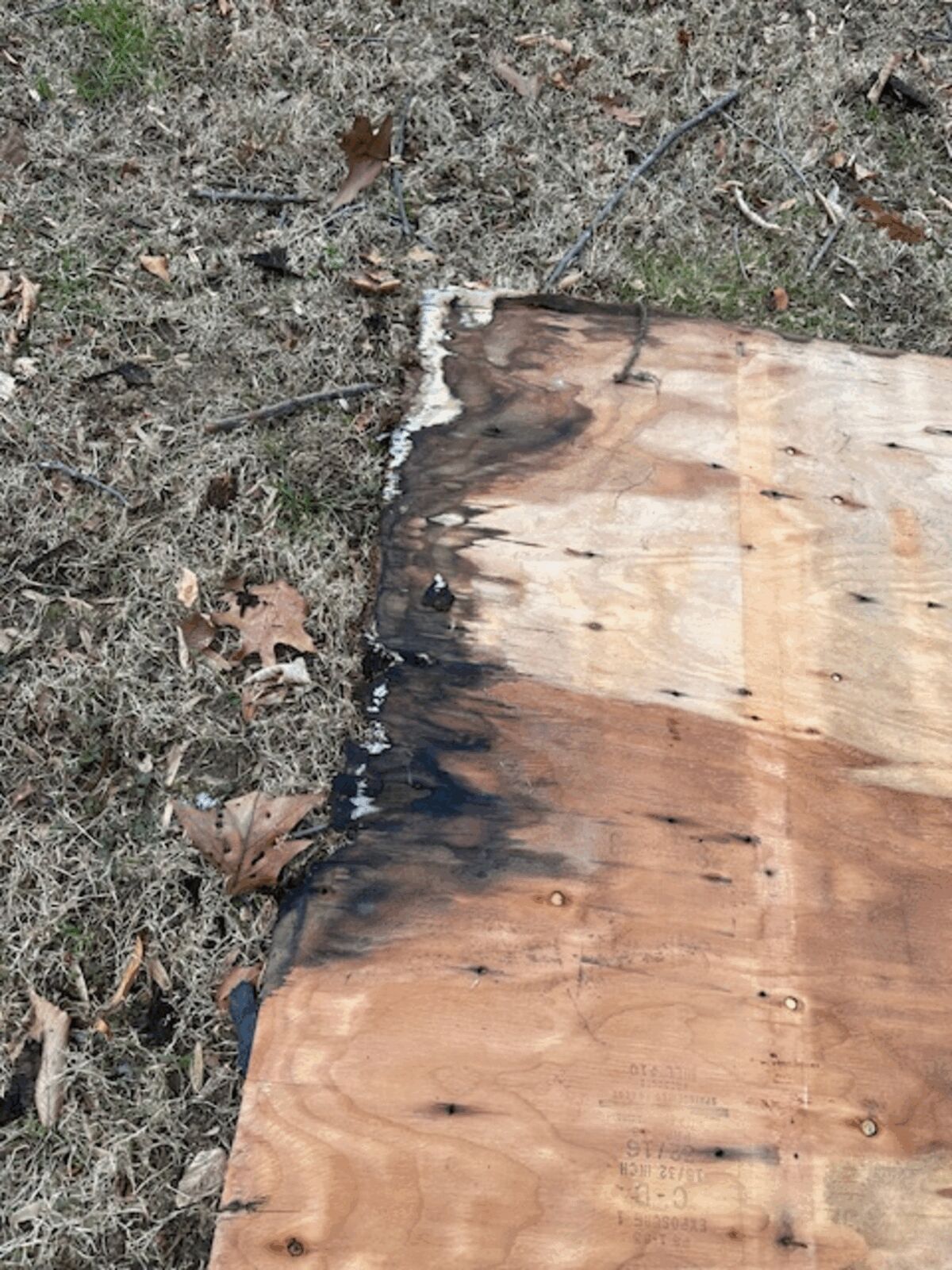
This sheet of plywood sheathing removed from a roof shows extensive black rot damage on the entire corner, significantly impacting the structural integrity of not only the sheet, but also this particular area of the roof itself.
Why Addressing Roof Problems Sooner Saves You Money (and Stress)
1. Prevent Structural Damage
Rotted roof decking doesn't just look bad—it compromises the entire roof's integrity. If left unchecked, you could end up with sagging ceilings, mold growth inside the home, or even a partial roof collapse in extreme cases.
2. Avoid Interior Water Damage
Once water gets past the roof deck, it can drip into attics, walls, and living spaces. Mold remediation and drywall replacement are far more expensive than replacing a few shingles or sections of plywood.
3. Extend the Life of Your Roof
Catching issues early often means simple repairs instead of a full roof replacement. A $500 fix today can prevent a $15,000–$30,000 job down the road.
4. Protect Your Home's Value
Buyers and insurance companies both look closely at roof condition. Visible damage or a history of leaks can kill a home sale or raise your insurance premiums significantly.
Signs You Shouldn't Ignore
- Dark water stains on ceilings or walls
- Musty smells in the attic
- Granules washing off asphalt shingles into gutters
- Missing or curled shingles
- Ice dams in winter
- Visible rot or soft spots when walking on the roof (as seen in one of the photos above)
The Bottom Line: Act Fast, Save Big
Roof problems rarely fix themselves. Water always finds a way, and wood always loses that battle eventually. If you suspect any issue with your roof, don't wait. Get it inspected by the professional team here at Atlas Exteriors. Early intervention is almost always cheaper, safer, and less disruptive than waiting until the damage spreads.
Your roof works hard for you. Return the favor by paying attention to it. A small investment of time and money now can protect your biggest investment—your home—for years to come.
Have you ever discovered hidden roof damage? Share your experience in the comments below.

Comments